
Upper GI Endoscopy
Upper GI Endoscopy – Complete Overview
Upper GI Endoscopy, also known as Esophagogastroduodenoscopy (EGD), is a procedure to examine the upper digestive system, including the esophagus, stomach, and duodenum. It helps diagnose and sometimes treat digestive issues.
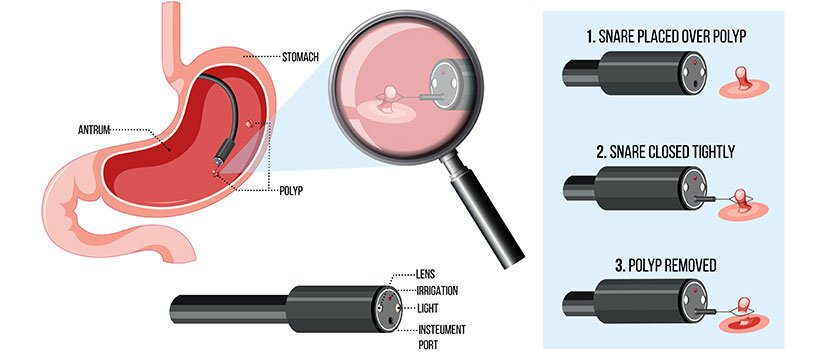
This minimally invasive procedure uses a flexible endoscope with a camera and light for direct visualization.
When is Upper GI Endoscopy Recommended?
It is recommended for patients experiencing:
- Persistent heartburn or acid reflux
- Difficulty swallowing
- Upper abdominal pain or discomfort
- Nausea, vomiting, or unexplained weight loss
- Bleeding from the upper digestive tract
- Screening for ulcers, tumors, or inflammation
Procedure Details
During the procedure:
- Local anesthetic is given to numb the throat and sometimes mild sedation.
- A flexible endoscope is inserted through the mouth to visualize the esophagus, stomach, and duodenum.
- The lining is examined for inflammation, ulcers, or growths.
- Biopsies or minor treatments can be done during the procedure.
- The procedure usually takes 15–30 minutes and is safe.
Post-Procedure Care & Tips
- Mild throat soreness or bloating is normal.
- Resume normal diet after a few hours as advised by your doctor.
- Follow up with your doctor to discuss results and next steps.
- Maintain a healthy diet and hydration for faster recovery.
Medications
- Acid reducers: For heartburn or reflux symptoms
- Proton pump inhibitors (PPIs): To reduce stomach acid
- Prokinetics: For improved digestion if needed
- Prescription medications: For specific conditions diagnosed during endoscopy
For consultation or to schedule an Upper GI Endoscopy, Contact Us