


Endoscopic Hemostasis
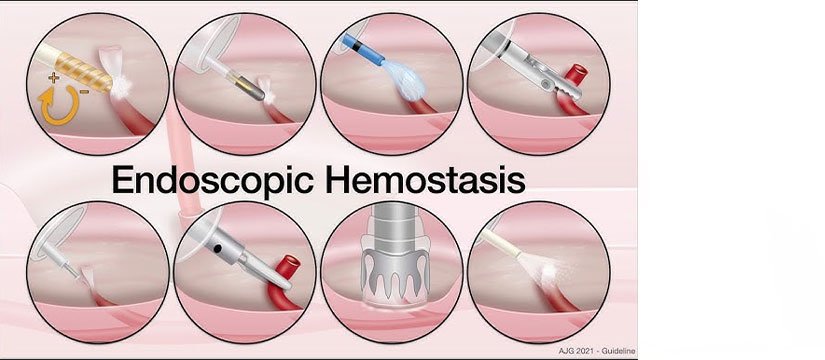
Endoscopic Hemostasis – Complete Overview
Endoscopic Hemostasis is an advanced therapeutic procedure used to stop active gastrointestinal bleeding. It uses specialized endoscopic techniques such as clips, thermal coagulation, injection therapy, or banding to control bleeding effectively and safely.
When is Endoscopic Hemostasis Required?
This procedure is commonly performed in cases of:
- Upper or lower GI bleeding
- Bleeding peptic ulcers
- Variceal and non-variceal bleeding
- Post-polypectomy bleeding
- Bleeding tumors or lesions
Procedure Details
During the procedure, an endoscope is used to identify the bleeding source. Hemostasis is achieved using endoscopic clips, thermal devices, injection agents, or combination therapy based on the bleeding type and severity.
Preparation
- Fasting before the procedure
- Blood investigations as advised
- Temporary stoppage of blood thinners if required
Recovery & Safety
- Highly effective and minimally invasive
- Reduces need for surgery
- Short hospital stay in most cases
Endoscopic Hemostasis is a life-saving procedure that plays a vital role in emergency gastrointestinal care.
For expert GI bleeding management, Contact Us