

Colonoscopy (Lower GI Endoscopy)
Colonoscopy – Complete Overview
Colonoscopy is a procedure used to examine the lower digestive system, including the colon (large intestine) and rectum. It helps diagnose and sometimes treat conditions affecting the lower GI tract.
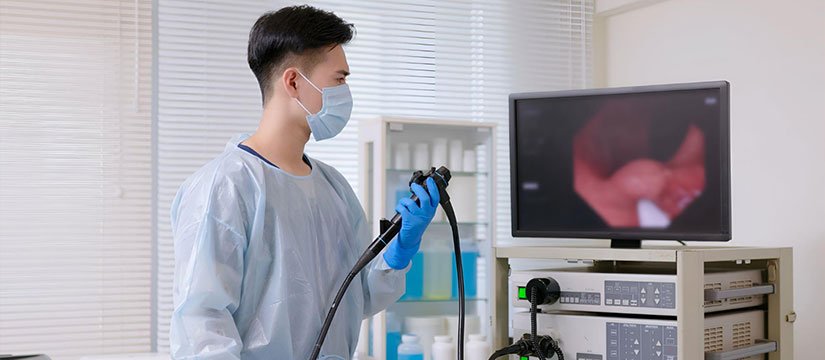
A flexible tube with a camera (colonoscope) is inserted through the rectum to provide a clear view of the colon lining.
When is Colonoscopy Recommended?
It is recommended for patients experiencing:
- Chronic diarrhea or constipation
- Blood in stool or rectal bleeding
- Unexplained abdominal pain
- Screening for colorectal cancer or polyps
- Inflammatory bowel disease (Crohn’s disease, ulcerative colitis)
Procedure Details
During the procedure:
- Patients are given sedation to stay comfortable.
- The colonoscope is gently inserted through the rectum to examine the colon lining.
- The doctor looks for inflammation, polyps, ulcers, or tumors.
- Polyps or biopsies can be removed/taken during the procedure.
- The procedure usually takes 30–60 minutes and is safe.
Post-Procedure Care & Tips
- Mild bloating, gas, or cramping may occur after the procedure.
- Resume normal diet gradually as advised by your doctor.
- Do not drive immediately after sedation; arrange for someone to accompany you.
- Follow up with your doctor to discuss results and treatment plan.
Medications
- Anti-inflammatory medications: For patients with IBD
- Stool softeners or laxatives: To ease bowel movements if needed
- Prescription medications: Based on findings from the colonoscopy
For consultation or to schedule a Colonoscopy, Contact Us