


Endoscopic Biopsy
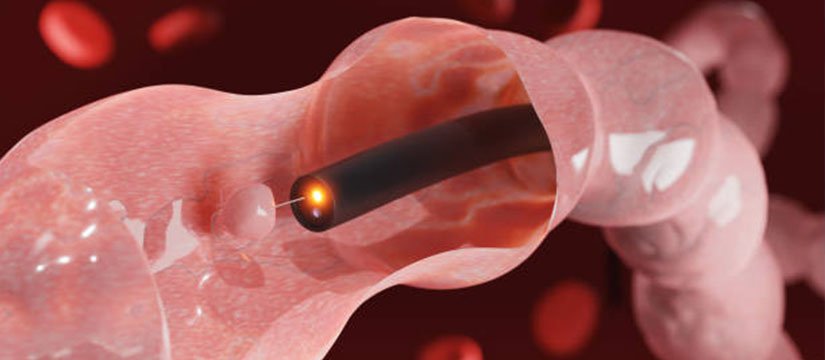
Endoscopic Biopsy – Complete Overview
Endoscopic biopsy is a procedure in which small tissue samples are taken from the digestive tract during an endoscopy (Upper or Lower GI Endoscopy) for laboratory examination. It helps in diagnosing infections, inflammation, precancerous conditions, or cancer.
This procedure is minimally invasive and performed using an endoscope equipped with special tools to collect tissue safely.
When is Endoscopic Biopsy Recommended?
It is usually recommended when patients have:
- Unexplained abdominal pain or discomfort
- Persistent diarrhea or constipation
- Suspected inflammation, ulcers, or infection
- Screening for precancerous or cancerous changes
- Bleeding or abnormal growths detected during endoscopy
Procedure Details
During the procedure:
- The patient undergoes an Upper or Lower GI Endoscopy depending on the location.
- A small tissue sample is taken using specialized biopsy forceps through the endoscope.
- The tissue is sent to the lab for histopathological examination.
- The procedure is quick, minimally invasive, and usually safe with minimal discomfort.
Benefits of Endoscopic Biopsy
- Accurate diagnosis of digestive tract diseases
- Early detection of precancerous or cancerous changes
- Helps guide targeted treatment plans
- Minimally invasive with quick recovery
Post-Procedure Care & Tips
- Mild throat soreness, bloating, or cramping may occur depending on procedure type.
- Resume normal diet as advised by your doctor.
- Follow up for biopsy results and further management.
For consultation or to schedule an Endoscopic Biopsy, Contact Us